



-

-
Author: Harry McGee
~ 2 minutes read


World of Politics with Harry McGee
On Hallowe’en night, fire services around the country were fully stretched dealing with bonfires and with fireworks – but then an emergency call came in to Drogheda fire station about a fire in a building in the Louth town.
Twenty-five people were living there and were quickly evacuated. Despite the huge pressures of the busiest night of the year, the local fire services managed to contain the fire before it caused significant damage to the building.
Initially it was thought that the fire had been sparked by a stray firework, but it quickly emerged that this was no accident. CCTV footage showed a hooded man enter the building by a rear entrance, douse the back stairs with inflammatory liquid and then set it alight.
And who were the residents? Families seeking international protection; asylum seekers in other words, some with young children.
It was an IPAS centre.
Unfortunately, it was not an isolated incident. In that year, 16 properties were targeted including a number of those that were set fire to because there were rumours they would be used as IPAS centres. It has continued since sporadically – most recently with the violent clashes outside the City West facility in Dublin.
Immigration policy in Ireland has been a mess for the past 20 years. The services were under-staffed and under-resourced. The process itself has been complicated, messy and expensive. It took years for the authorities to arrive at a decision.
And then there were so many avenues of appeal including recourse the High Courts – and each of them took a purgatorial long time – that by the time the process finished and a final decision was made, it might have been a decade, or even a decade and a half, since the person first arrived into Ireland.
The only reason that was tolerable was that the numbers of people arriving to seek international protection was low, hardly more than 3,000 a year.
The low numbers were attributed to the establishment of direct provision centres, which were places where people stayed while awaiting a final decision. They were entitled to room and board, and very small living allowances. In other words, a disincentive to stay over the long term.
Pictured: Getting tough…Minister Jim O’Callaghan.
For more, read this week’s Connacht Tribune:
Connacht Tribune Digital Edition App
Download the Connacht Tribune Digital Edition App to access to Galway’s best-selling newspaper. Click HERE to download it for iPhone and iPad from Apple’s App Store, or HERE to get the Android Version from Google Play.
Or purchase the Digital Edition for PC, Mac or Laptop from Pagesuite HERE.
Get the Connacht Tribune Live app
The Connacht Tribune Live app is the home of everything that is happening in Galway City and county. It’s completely FREE and features all the latest news, sport and information on what’s on in your area. Click HERE to download it for iPhone and iPad from Apple’s App Store, or HERE to get the Android Version from Google Play.
More like this:

Minister says new legislation will help to reduce road deaths and injuries
The Galway Minister with responsibility for road safety has highlighted what he described as two ...

Feuding couples get hot and heavy outside Conamara school
A verbal row over ‘silly stuff’ between two women outside a Conamara school during a scheduled tr...
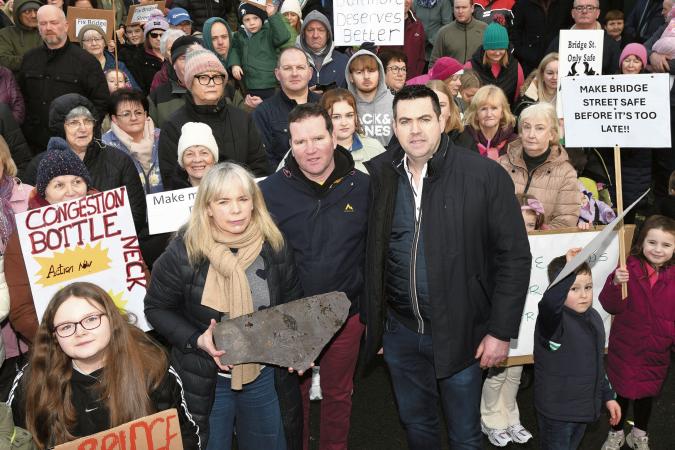
Dunmore residents out in force to demand action on street widening plan
Several hundred protesters turned out in Dunmore lastweekend to express their frustration of the ...

Concerns over street safety for pedestrians in Gort
By Avril Horan CONCERNS have been raised over dangerous footpaths and inadequate public lighti...
Dubliner admits arson at home of city woman in her eighties
By Ronan Judge A 21-year-old Dublin man has pleaded guilty to an arson attack that endangered ...

Speeding cars and wrong-way driving on one-way street put residents at risk
By Avril Horan SPEEDING motorists and drivers travelling the wrong way on a one-way system are...

Driver reversed into woman and Garda van on same day
By Ronan Judge A 23-year-old man who reversed a car into a woman at the Galway Shopping Centre...

Residents don’t want the Galway City Council to cut their hedges
By Avril Horan Residents of Grattan Park are involved in a dispute with city officials over he...

Jail for woman who attacked another on church grounds
By Ronan Judge A serial offender who repeatedly struck another woman during an assault on the ...
Sign Up To get Weekly Sports UPDATES
