

Team reveals latest update on excavation at Tuam Mother and Baby Home

A further 22 sets of infant remains have been discovered as part of the ongoing excavation at the site of the former Tuam Mother and Baby Home.
In its latest update, the Office of the Director of Authorised Intervention in Tuam (ODAIT) outlined that forensic analysis is being undertaken on the recovered human remains.
To date, archaeologists working on the site have uncovered the remains of 33 children believed to have been buried there during the period in which the Bon Secours institution was in operation, between 1925 and 1961.
The 33 infant remains that have been exhumed so far were all buried in coffins, in an area of the site marked on historical maps as a ‘burial ground’.
“Within this area, ODAIT also uncovered a pit (over three metres in width; depth will be determined on excavation) which disturbed ‘the burial ground’. It contains modern building debris consistent with the post-institutional era. Excavation in the next reporting period will provide more information about this period.”
In addition to those remains associated with the Mother and Baby Institution, a further seven sets of human remains were previously found adjacent to the boundary wall. The team carrying out the excavation has determined that these were related to the Workhouse that was located on the site between 1841 and 1918.
Works to exhume the memorial garden area of the site, where the majority of infant remains are believed to be buried, are yet to begin.
An initial examination of this area, carried out by the Commission of Investigation into Mother and Baby Homes ten years ago, found that there were comingled remains of infants buried there in the chambers of a disused sewage system.
In preparation for the excavation of this area, which ODAIT said presents a “unique combination of forensic and engineering challenges”, an above-ground replica of the sewage tank has been constructed to “test varying methodologies and ensure adherence to international best standards and best practice”.
Material evidence continues to be uncovered as part of the excavation works, all of which is photographed and catalogued. In this round of reporting, a glass baby feeder was found.
Meanwhile, the process of collecting DNA samples in the hope that the remains recovered can be identified has continued, with eight more family references collected, bringing to 28 the total number of samples on file at Forensic Science Ireland.
“In accordance with the provisions set out in the legislation, ODAIT’s ID programme team is engaging with a further 175 people who have contacted [them] to enquire about providing a sample.
“To date, over 65 cases are being processed for determination of eligibility, with arrangements being made to take their samples in the coming weeks.”
Excavation works at the Tuam site got underway last July following years of campaigning led by survivors of the Tuam Home and relatives of those believed to have been buried there.
This came after research by local historian, Catherine Corless, revealed that up to 796 infants and children may have been interred in what the ODAIT has since described as “manifestly inappropriate” circumstances.
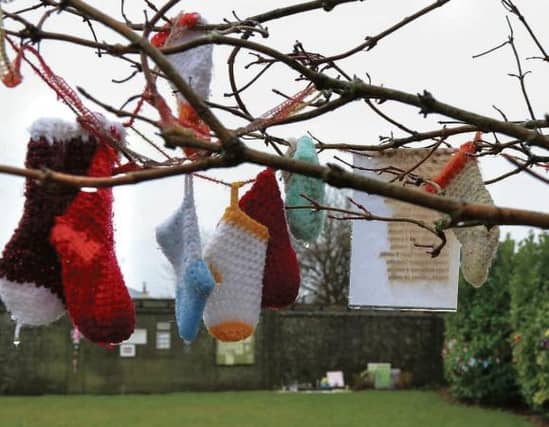
Pictured: Latest update...the excavation site before work began.